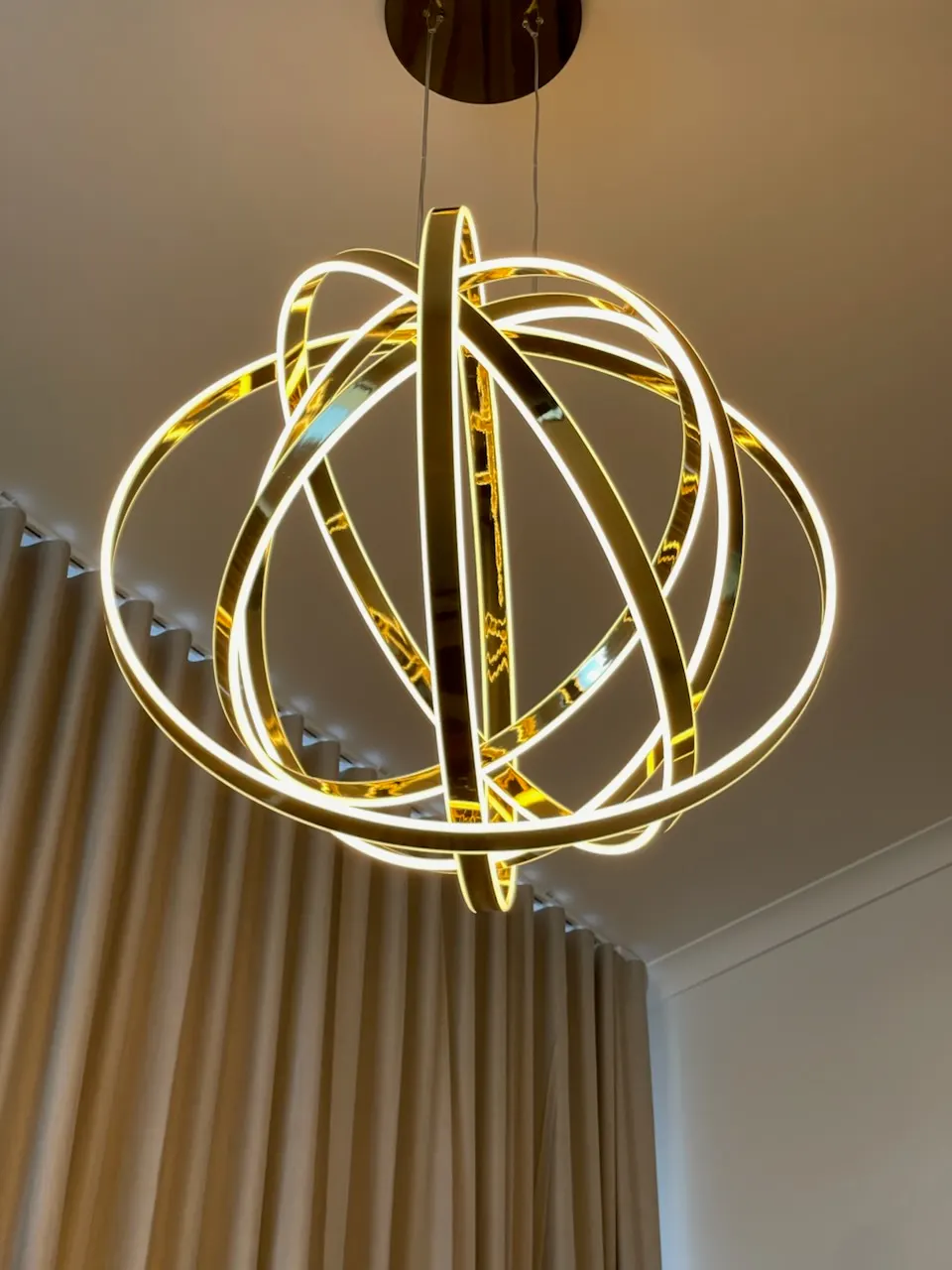
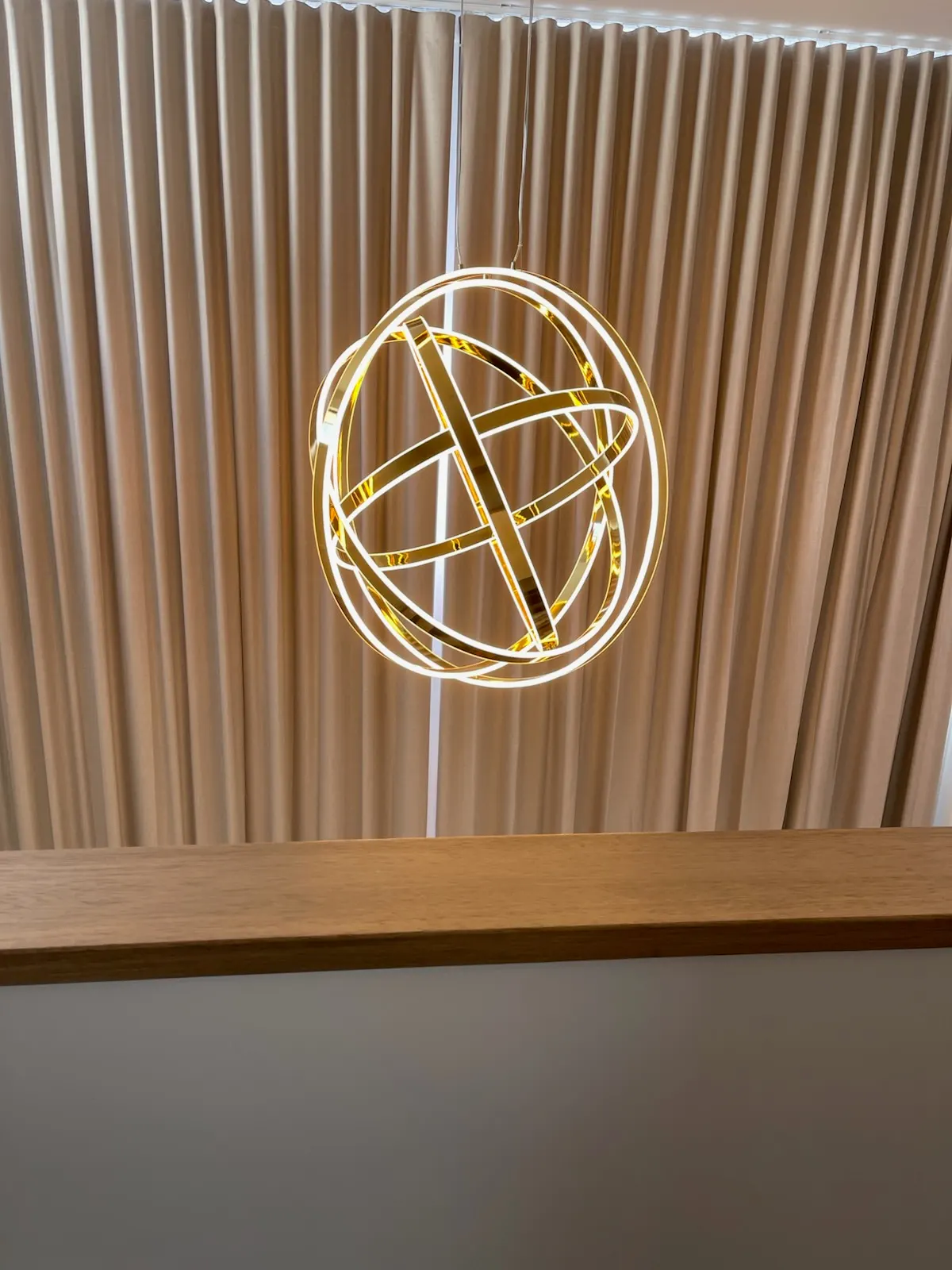
Ferny Hills did not grow street by street over a century. It began as the Ferny Grove estate, with 150 occupied homes and 15 more being built by June 1967, a school opening in January 1970 with 153 pupils, and the Ferny Hills name gazetted in 1972. Subdivision appears to have started around 1960. Today the suburb holds 3,212 private dwellings, 95.0% of them separate houses.
That timing matters for one piece of equipment in particular. Safety switches have been mandatory for newly built or extended Queensland homes only since 1992, so an original estate house that has never been extended or had its board replaced may still have power points without one. When a house like that changes hands, the law puts the job on the buyer: a safety switch for the power points within 90 days after the possession day, with the seller required to state in writing, on or before that day, whether one is fitted.
The safety switch also decides the order of everything else. A licensed electrician generally cannot carry out new electrical installation work in a home whose power points are not protected by an approved safety switch, unless the work includes fitting one. For a new owner planning extra power points, new lighting or a split system circuit, the switch usually has to come first. There are two ways to get there: protect the circuits being altered, or replace the switchboard, which brings safety switch protection to every applicable circuit on it.
Tom's own switchboard guide describes what a full upgrade involves: testing every circuit, assessing the home's total load, labelling each circuit and leaving a circuit directory with the owner. After connected work, Queensland law requires a certificate of testing and compliance carrying the contractor's licence number, which for this business is REC 13541.
Not every house fits the pattern. The Woolshed Grove homes stand where the Australian Woolshed attraction operated until 2006, so they are a much newer pocket and are far more likely to have safety switches from construction.