The valley floor drops to about 50 metres above sea level, with the South Pine River running through it from Highvale toward Draper. The Bureau of Meteorology's former Samford CSIRO station, at 53 metres near Samford, ran until it closed in 2003. Over 1971 to 1998 it recorded average 9am humidity of 70% to 74% in every month from January to July, and January to March were its wettest months. Those are historic averages rather than a forecast, but they describe the kind of humid conditions a split system in the valley works in.
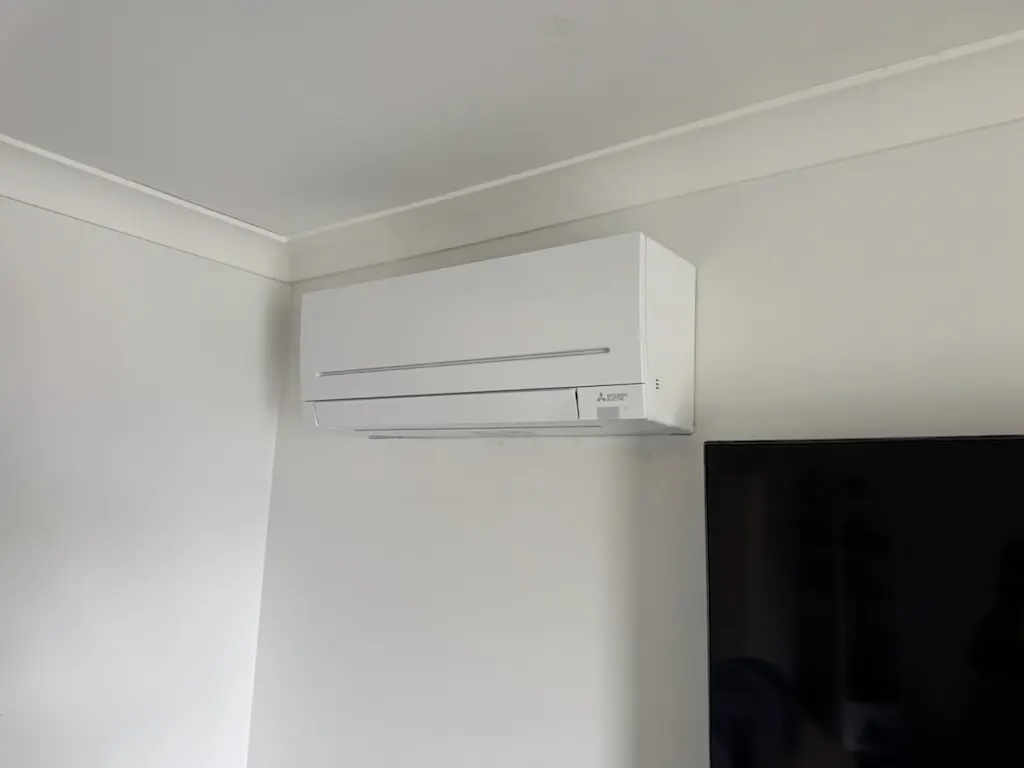
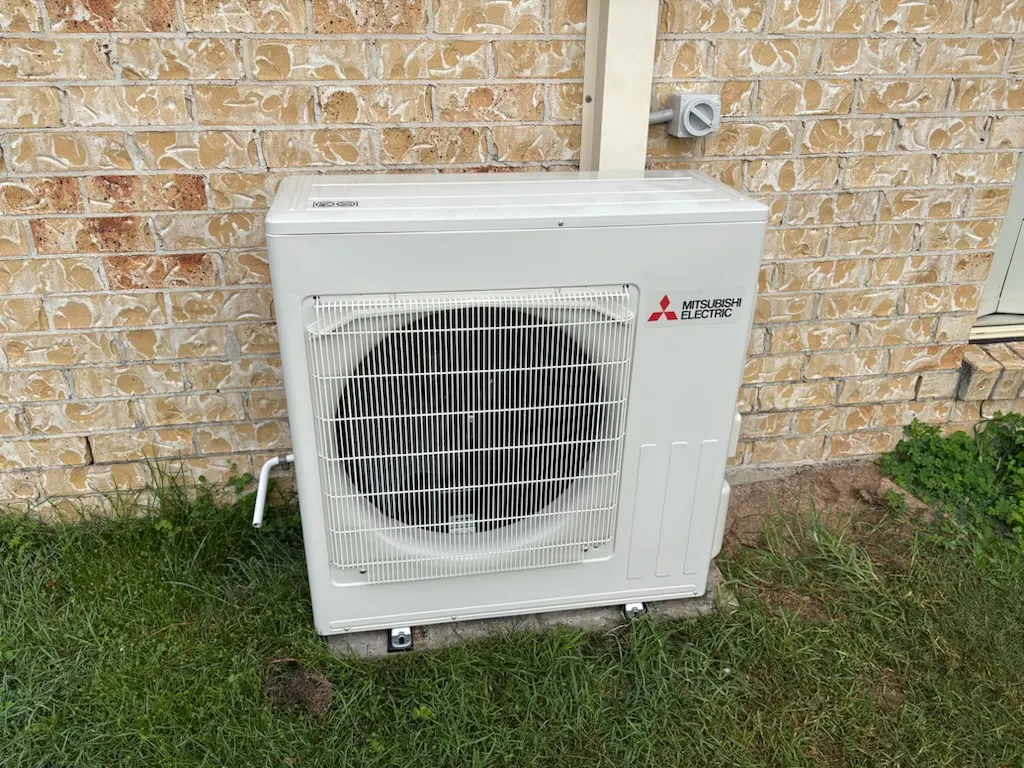
A split system pulls moisture out of the air as it cools, and that water has to go somewhere. Tom's guidance explains that humidity encourages moisture to build up inside a unit when its filters, coils and drains are dirty, and that this is where stale, damp smells come from. LG describes the same thing from the manufacturer's side: a heat exchanger that stays wet can trap odours or grow mould, giving a musty smell like a damp towel. Mitsubishi Electric's warranty terms add that blocked drain pipes can send condensate out of the unit instead of away from it, and tell owners to check for this in humid weather. The same terms say problems caused by dirty filters and blocked coils are not covered by the warranty.
The owner's share is the filter. Daikin's general rule is a clean every two weeks, and Mitsubishi Electric suggests every two to four weeks with regular use. The coil and drain are Tom's part. A service covers cleaning the key components, checking airflow and condition, testing operation and reviewing the electrics, with a look for blocked drains, mould, leaks and grime. Where an indoor unit is heavily soiled, a hydro clean pressure washes it and applies an antibacterial treatment.
Timing matters here. Tom's baseline is a yearly visit for most homes, with more frequent service where units already show build-up or someone is sensitive to dust. Booking before the wet months means drains and coils start the humid part of the year clean.