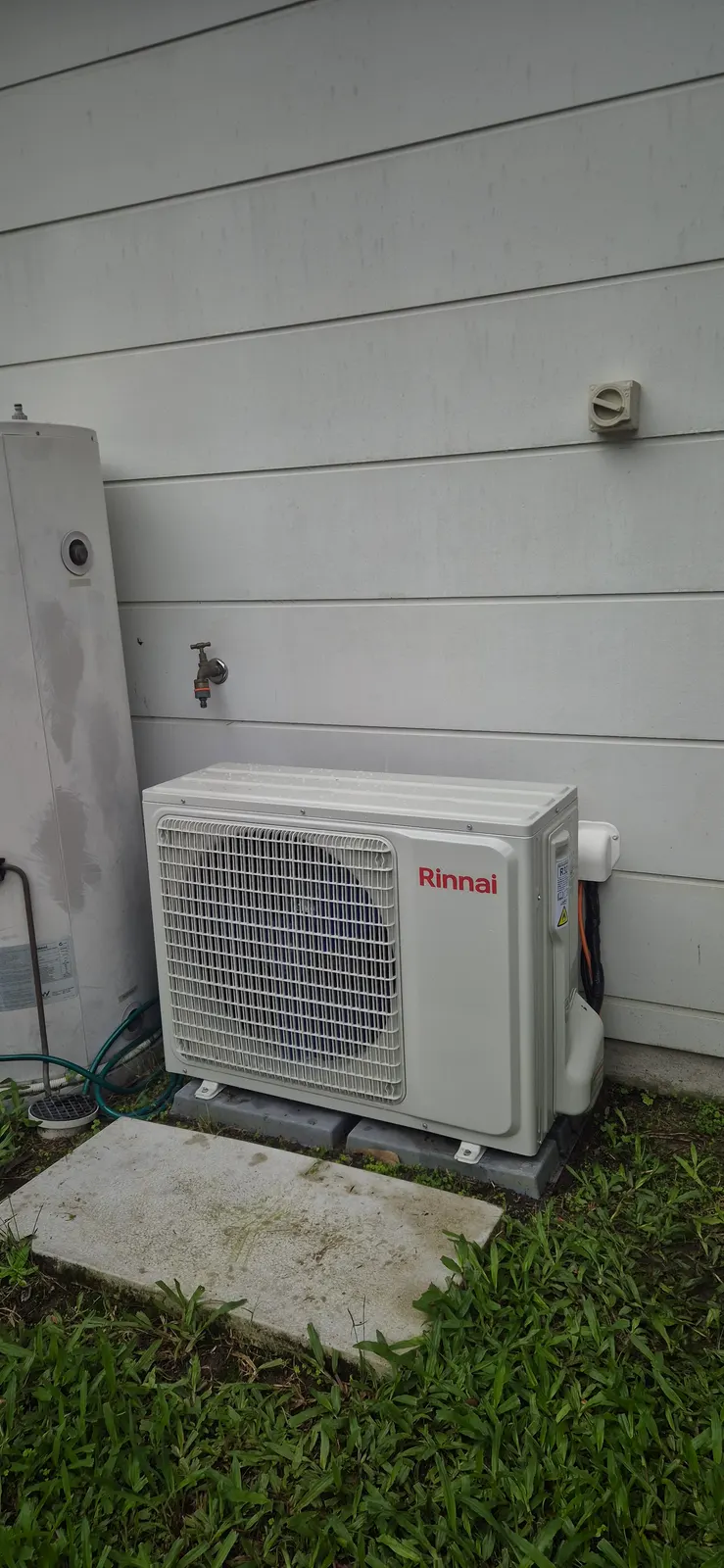
Between summers a split system can sit switched off for weeks, and in a big Draper house some units barely run even in the heat. On Census averages a home here has about one bedroom more than it has residents, which likely means a guest room or study whose unit runs only now and then. Nothing about an idle unit is a problem until the first hot day it is switched on and does not behave.
A unit that rarely runs does have one advantage. Mitsubishi Electric notes that how often a filter needs cleaning depends on how much the unit is used. What does not wait for use is the rest of the unit. Mitsubishi Electric still recommends a professional service once a system is a year or more past installation, and Tom treats once a year as the starting point for most homes. Tom's guidance adds that even a newer unit has to cope with dust, humidity and drainage, and those carry on whether or not anyone presses the remote.
The first run of the season is where hidden problems show. Westinghouse's checklist for a unit that will not start includes the timer and remote batteries that are flat or sitting wrongly, both easy to miss on a remote that has lived in a drawer. LG explains that a damp heat exchanger can trap odours or grow mould, giving a musty, damp-towel smell. Blocked drains are one of the warning signs Tom looks for on every visit, and a spare-room unit dripping onto a guest bed is the kind of fault worth finding early.
So the practical routine for a Draper home is a test run. A few weeks before summer, or before visitors arrive, switch on every unit, including the spare rooms, and give each one some time. Check that it starts, that the air is cold and strong, that there is no musty smell and that nothing drips. Anything that fails goes on the list for one booking. A service then covers cleaning the key components, checking airflow and the unit's condition, testing operation, reviewing the electrics and looking for mould, leaks and blocked drains, for every unit in the house.