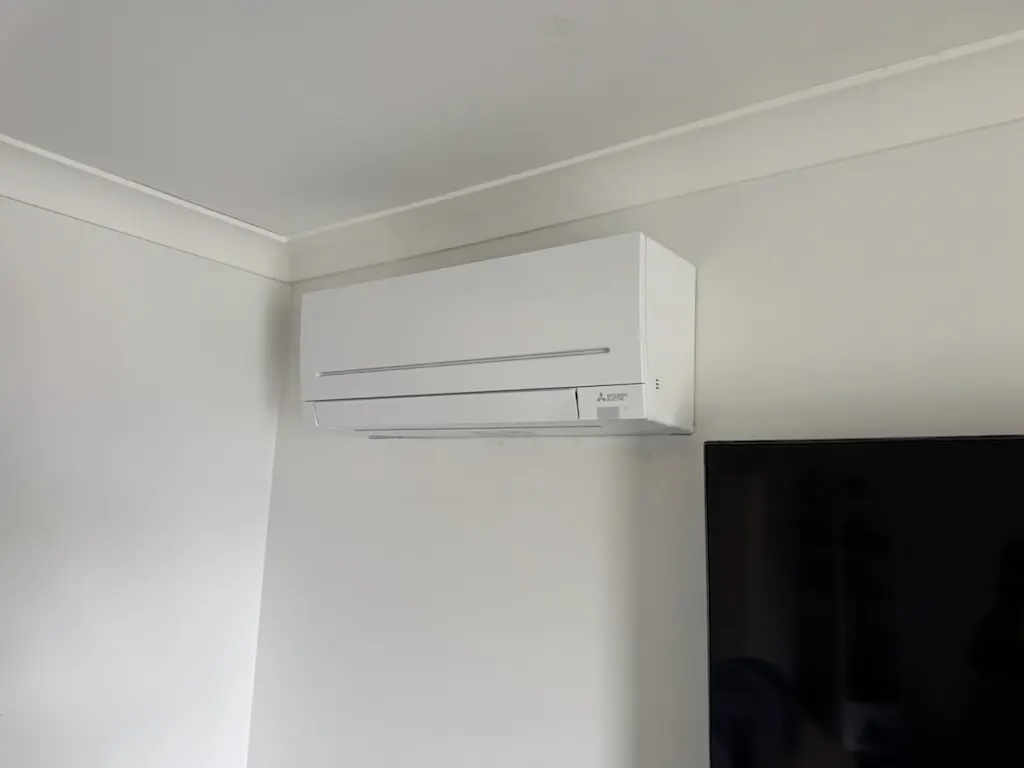
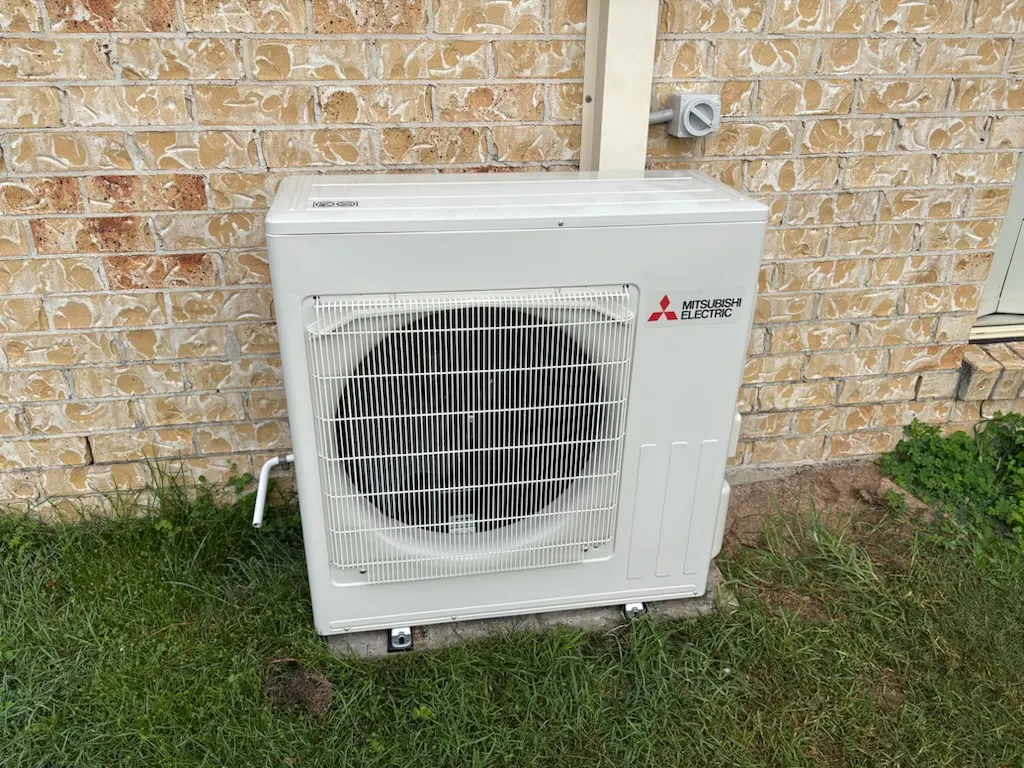
In a locality where many homes have been owned for years, the split system on the wall may be one of the older ones still working in the district. Nobody has counted Camp Mountain's air conditioners, so this is a likelihood, not a statistic. What is documented is the national rule that decides what an older unit costs to keep.
The Australian Refrigeration Council's fact sheet on R22, reissued in July 2026, sets out the timeline. Australia has been allowed only a small annual import quota of R22 since 2016, roughly 45 tonnes a year. Since 1 January 2020, imported R22 may only be used to service equipment already installed. From 1 January 2030, imports stop entirely, and any R22 system still running will depend on recycled or reclaimed gas. The council also warns that the price of R22 may rise and that spare parts may get harder to find as these systems age.
That does not mean an older unit has to come out. The same fact sheet says existing R22 equipment is not banned, does not have to be retrofitted, and can keep being serviced with R22. It goes further: regular servicing can lower electricity costs and the cost of replacing gas lost through leaks. And if the system is in good working order, there is no need to change it, though newer equipment is generally more efficient and may be cheaper to run.
So the sensible pattern for a Camp Mountain household with an older unit is to keep it serviced while it is healthy and plan the replacement before a major fault forces it. A service covers cleaning the key components, checking airflow, inspecting condition, testing operation and reviewing the electrics, and looks for leaks and unusual wear. A leak changes the sums: any leak must be found and repaired before refrigerant goes back in, and that work is reserved for a full RAC licence holder. If repair no longer adds up, Tom supplies and installs new split systems.