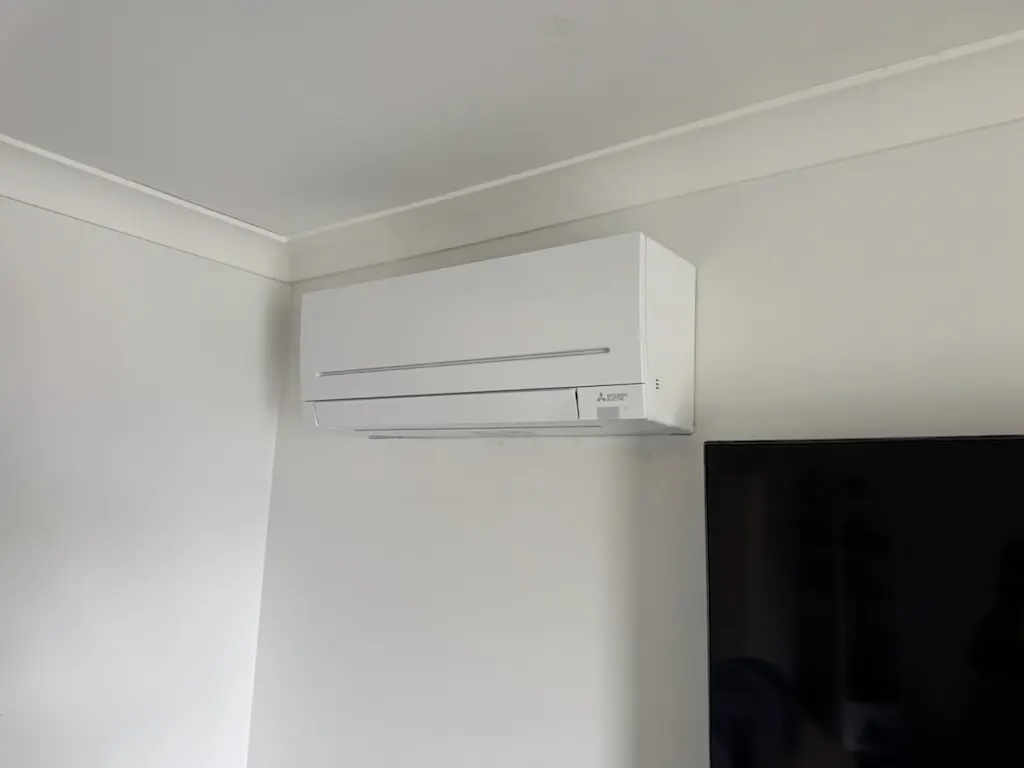
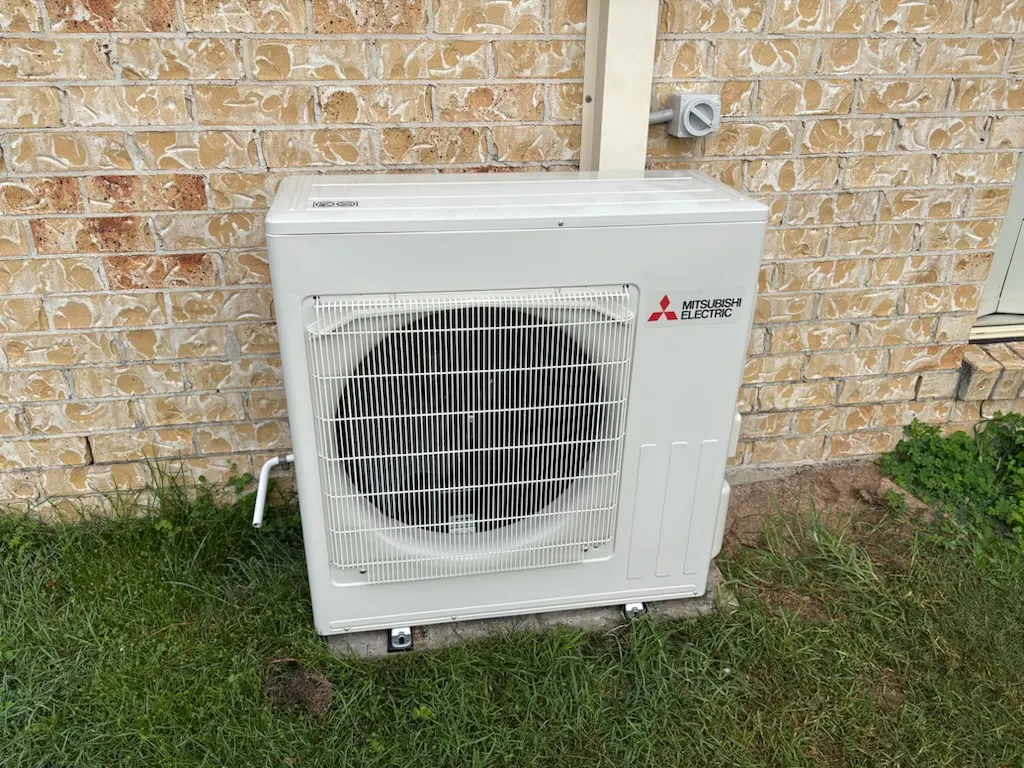
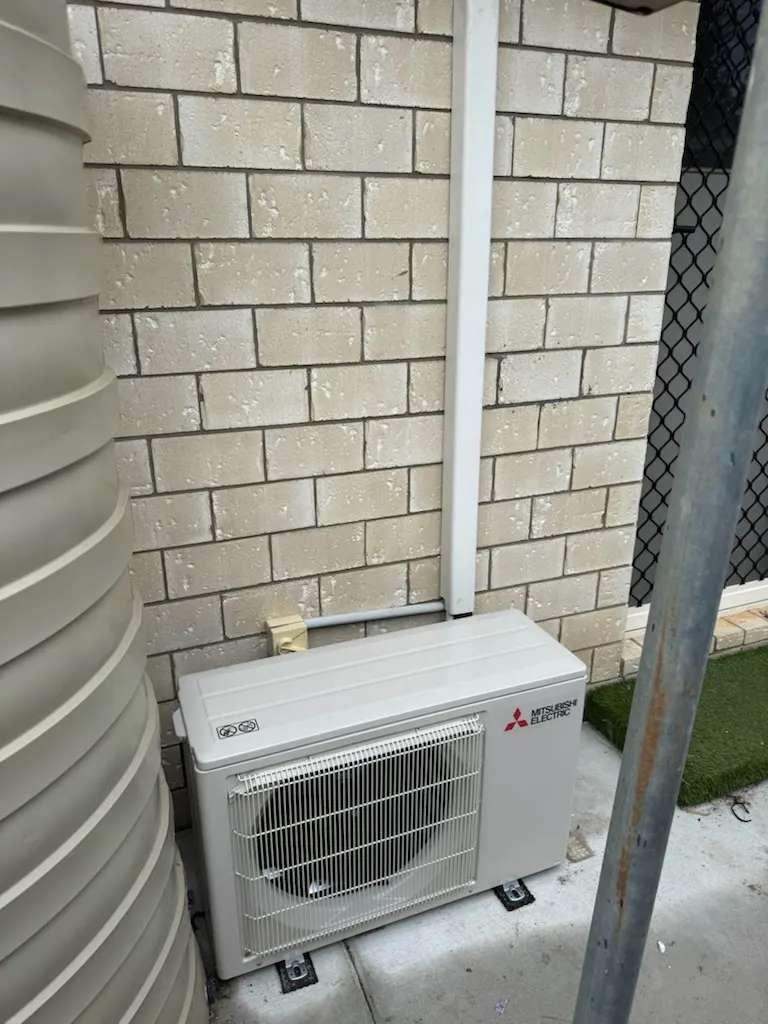
At the 2021 Census, 78.1% of Eatons Hill dwellings had four or more bedrooms, and almost all of them were separate houses. Homes of that size often cool several rooms, so many are likely to have a split system in the living area and others in bedrooms or a study. No one publishes a count of units per home, so treat that as likely rather than certain, but it changes how servicing is worth booking.
Those units rarely wear at the same rate. Tom's own guidance is one service a year for a typical home, and more often for systems that run hard through summer, homes with pets, or units already showing build-up. In a family house, the living room and main bedroom units are likely to log the most hours, so they tend to be the first to smell or drip, while a spare room unit may barely run. Seeing all of them on one visit means the hard-working units get attention before they fail and the quiet ones are checked rather than forgotten.
The age of the house matters as well. Local histories suggest houses first went up in the early 1970s on the eastern side, around the hill near Cashs Crossing, and building spread west later in the 1990s. In many of those older homes the split systems probably went in years after the house was built, which can leave a drain hose taking a longer or less direct route than it would in a home planned around air conditioning. Mitsubishi Electric's manual links an improper drain route to water dripping inside. Whether that applies to your home is something only a look at the unit will settle.
When every unit is booked together, Tom works through each one against the same checklist: cleaning the key parts, checking airflow and operation, reviewing the electrics, and looking for blocked drains, mould, leaks, grime or unusual wear. A unit that is dripping or smells damp can then be quoted for a hydro clean, where the indoor unit is pressure washed and treated with an antibacterial product. You get one clear quote covering each unit, and one reviewer described Tom as transparent about pricing.